Use Code WELCOME10 & 10% OFF WORLDWIDE FREE SHIPPING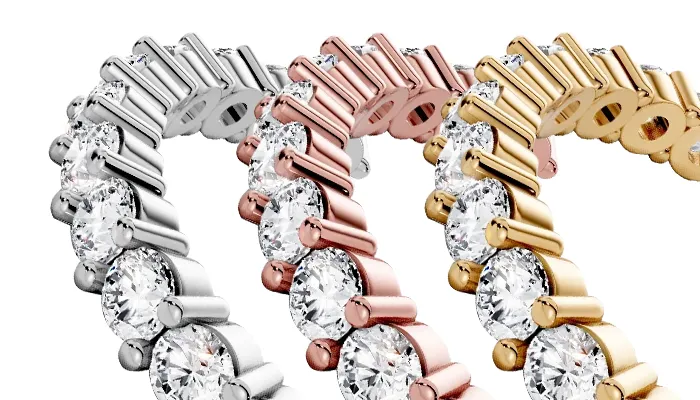
Choosing between white gold, yellow gold, and rose gold is more than a simple matter of color preference — it’s about finding a metal that matches your lifestyle, complements your skin tone, and enhances your gemstones. Each gold alloy has its own unique properties, historical background, maintenance requirements, and price points. In this comprehensive guide, we’ll explore each metal’s pros and cons, compare their durability and cost, and help you decide which gold is the best choice for your engagement ring, wedding band, or everyday fine jewelry.
By the end of this article, you’ll have a clear understanding of which option offers the perfect balance of beauty, practicality, and value for your needs.
According to The Knot 2025 Real Weddings Study:
In 2024, just two metal types (white and yellow gold) were included in over 70% of all engagement rings. Yellow gold continues to increase in popularity, growing another 5% from 2023. In contrast, white gold continues to slip in popularity, losing 3% from last year.
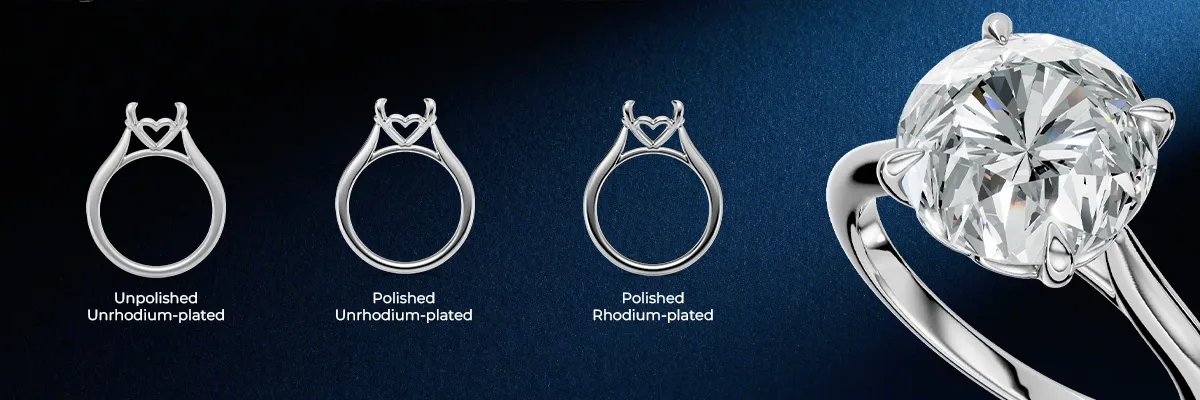
White gold is created by combining pure gold with white metals such as nickel, palladium, or silver. It’s then plated with rhodium — a rare, platinum-family metal — to give it a bright, reflective finish. This rhodium plating is what gives white gold its signature cool tone and extra shine, making it a favorite for settings that hold diamonds and other colorless gemstones.
Price Point: In the 14K variety, white gold generally costs about 10–20% less than platinum, but slightly more than yellow gold due to the rhodium plating process. White gold engagement ring settings typically range from $600 to $1,200, depending on the design and karat.
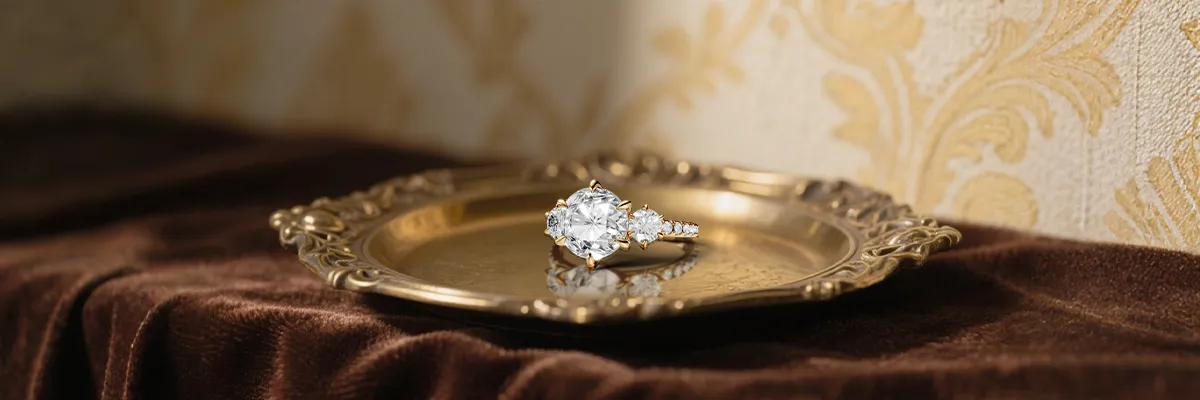
Yellow gold is the classic, traditional gold color that has been used in jewelry for thousands of years. It’s made by alloying pure gold with copper and zinc to achieve the warm, sunny hue that people have associated with wealth and celebration for centuries.
Price Point: Yellow gold is often the most affordable of the three. A 14K yellow gold engagement ring setting generally costs between $500 and $1,000, according to Jewelers of America. Its affordability, paired with its classic look, makes it a popular choice for both modern and traditional buyers.
Rose gold owes its blush-pink tone to a higher copper content in its alloy mix. The term “Russian gold” was once used to describe it in the 19th century, when it became popular in Russian jewelry-making circles. Today, rose gold’s romantic and vintage-meets-modern appeal has made it one of the most fashionable choices for engagement rings and fine jewelry.
Price Point: Rose gold’s price is comparable to yellow gold, sometimes even slightly lower since copper is less expensive than other gold alloy metals. A 14K rose gold setting typically ranges from $500 to $950.
| Metal | Scratch Resistance | Maintenance Required | Longevity with Care |
|---|---|---|---|
| White Gold | High (surface plated) | Rhodium replating every 1–3 years | Lifetime |
| Yellow Gold | Moderate | Polishing as needed | Lifetime |
| Rose Gold | High (due to copper) | Polishing as needed | Lifetime |
Your skin tone can influence which metal color looks best on you:
White Gold: Ideal for cool undertones, complements icy diamonds and blue sapphires.
Yellow Gold: Perfect for warm undertones, enhances gemstones like emeralds and rubies.
Rose Gold: Universally flattering, especially for neutral or olive skin tones.
Pro Tip: If you can’t decide, opt for a mixed-metal design — a white gold band with a rose gold halo, for example — for a unique and versatile look.
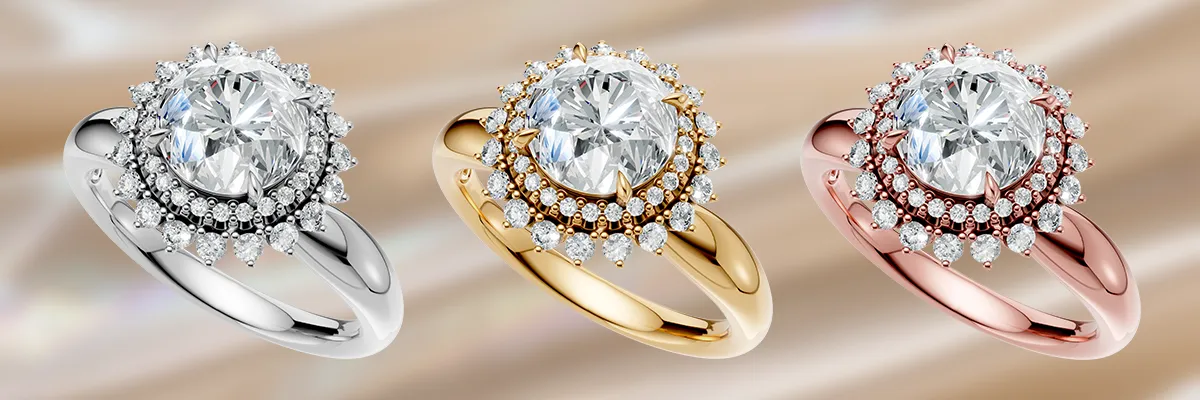
If your priority is maximizing diamond brilliance, white gold is the top contender. For those drawn to classic elegance and timeless appeal, yellow gold is a safe bet. If you want something romantic and fashion-forward, rose gold offers a distinctive charm.
For durability, 14K gold in any color is more resistant to scratches than 18K, making it better for daily wear. If you have sensitive skin or are allergic to nickel, look for nickel-free Metals (ALL jewelry in VivreBrilliance is nickel-free) alloys or consider metals like platinum.
Budget-Friendly Alternative: Some jewelers now offer Vivre Gold, which mimics the hardness, style, and look of traditional gold alloys but at a more affordable price point. It’s an excellent option if you want the beauty of gold without stretching your budget.
Your choice ultimately comes down to a balance of style preference, budget, lifestyle needs, and skin sensitivity.






Yes, the rhodium plating wears off, revealing the slightly yellowish alloy beneath. Replating restores its bright white look.
Not always — its copper content may cause irritation for those with sensitive skin.
White gold is most popular for enhancing diamonds, but yellow and rose gold offer their own unique styles.
14K gold is harder and more scratch-resistant due to lower pure gold content.
Absolutely, mixed-metal rings are stylish and versatile.
Try our Two Tone Style
It can deepen in color over decades, developing a patina that many find beautiful.
All gold alloys retain value, but resale depends on karat purity, not color.

$7,675.00 – $8,175.00Price range: $7,675.00 through $8,175.00
Select options This product has multiple variants. The options may be chosen on the product page

$8,500.00 – $9,000.00Price range: $8,500.00 through $9,000.00
Select options This product has multiple variants. The options may be chosen on the product page

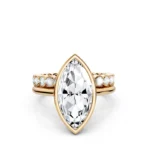
$6,100.00 – $6,600.00Price range: $6,100.00 through $6,600.00
Select options This product has multiple variants. The options may be chosen on the product page

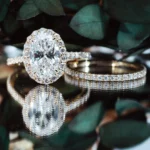

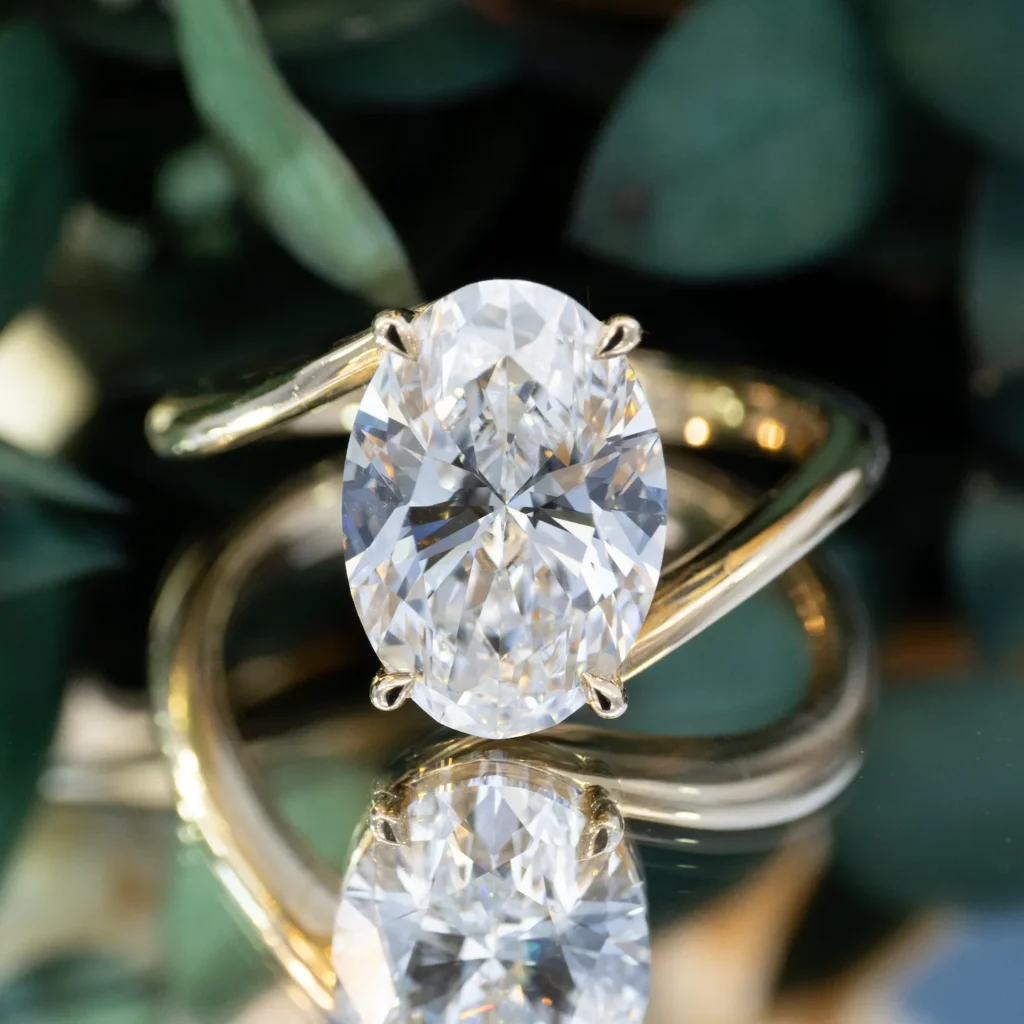
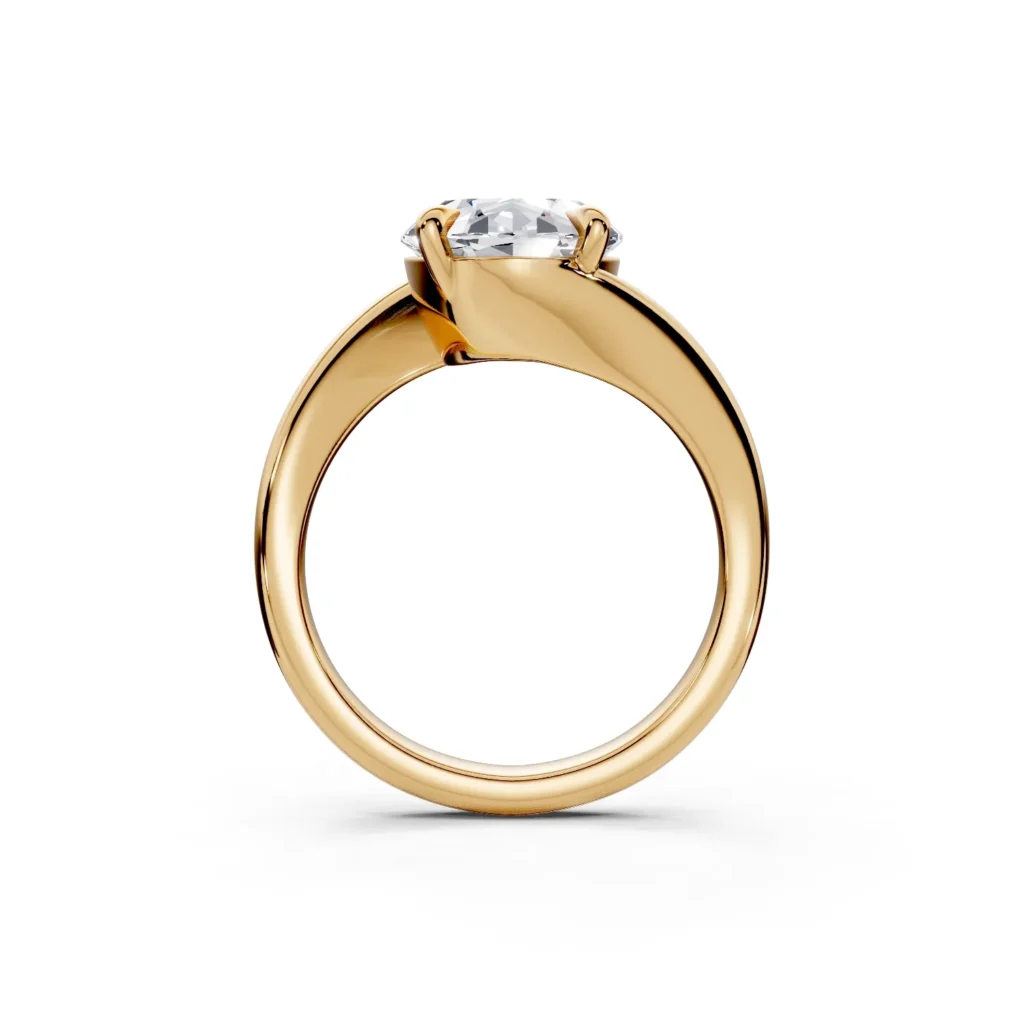
The ring looks great on; it has a perfect golden ratio, a sophisticated design, and cleverly curved lines.
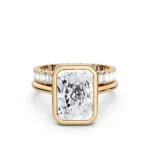
$8,300.00 – $8,800.00Price range: $8,300.00 through $8,800.00
Select options This product has multiple variants. The options may be chosen on the product page
Send a hint to someone special.
WITH YOUR FIRST PURCHASE
No thanks
Use this code at the top of the checkout page

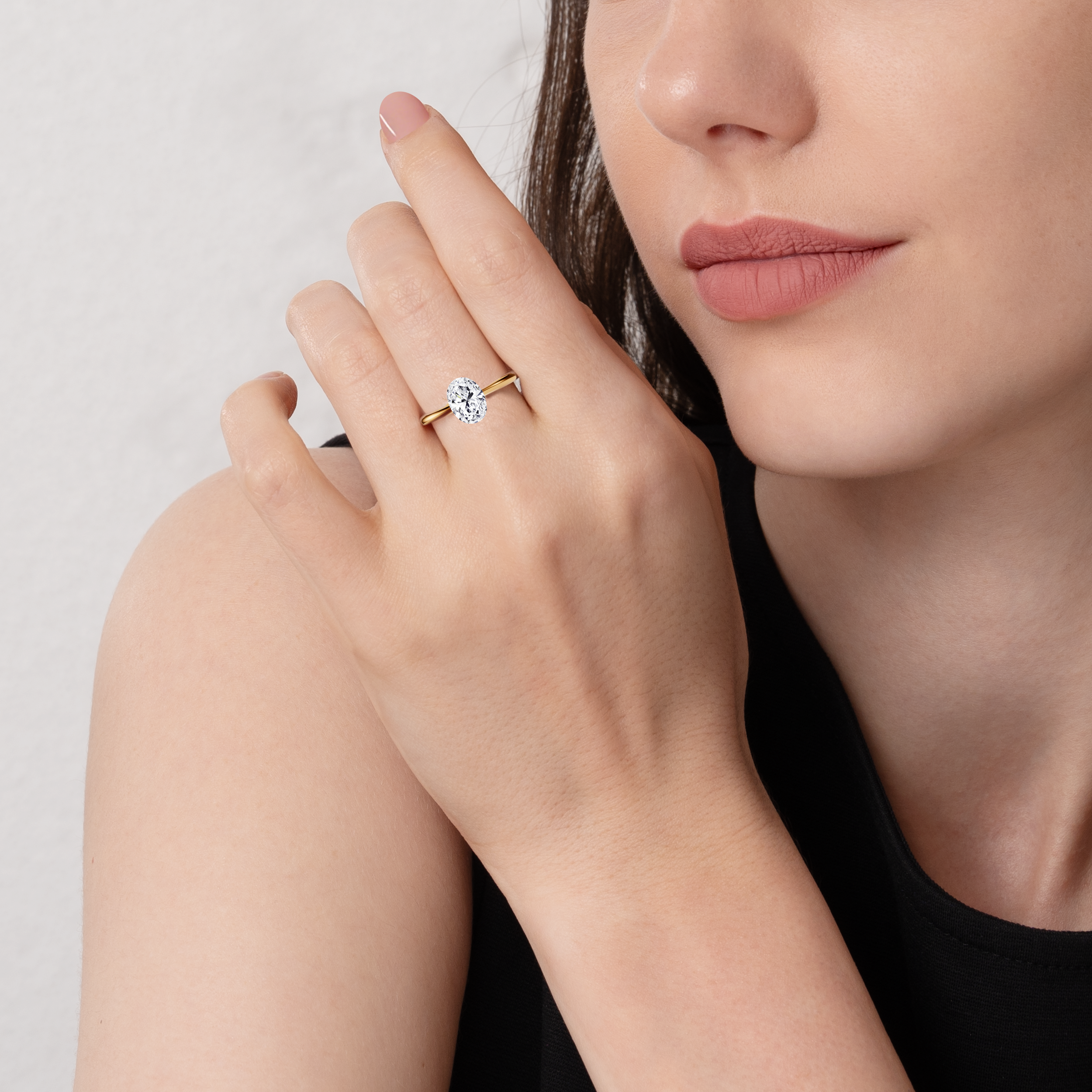
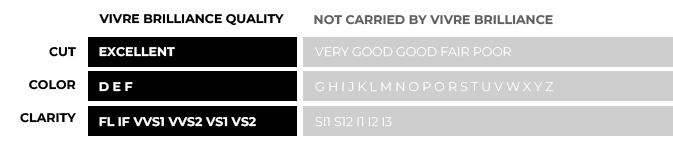
Every Vivre Brilliance diamond is rigorously evaluated by GIA/IGI-certified gemologists to ensure authenticity and ethical sourcing. We offer two quality tiers:
Brilliant Grade
VVS clarity (flawless to the naked eye) and D-E color (purest icy white), selected for heirloom-worthy brilliance.
Excellent Grade
VS clarity (minor inclusions under magnification) and D-F color (near-colorless radiance), crafted for everyday luxury. All gems meet strict sustainability standards, reflecting our commitment to beauty with responsibility.

Carat measures a diamond’s weight, with 1 carat equaling 200milligrams. While larger carats often signify rarity, a diamond’s visual impact also depends on its cut and proportions. For example, a well-cut smaller diamond can appear more brilliant than a poorly cut larger one. At Vivre Brilliance, we prioritize precision cutting to maximize light reflection, ensuring every carat delivers timeless elegance.
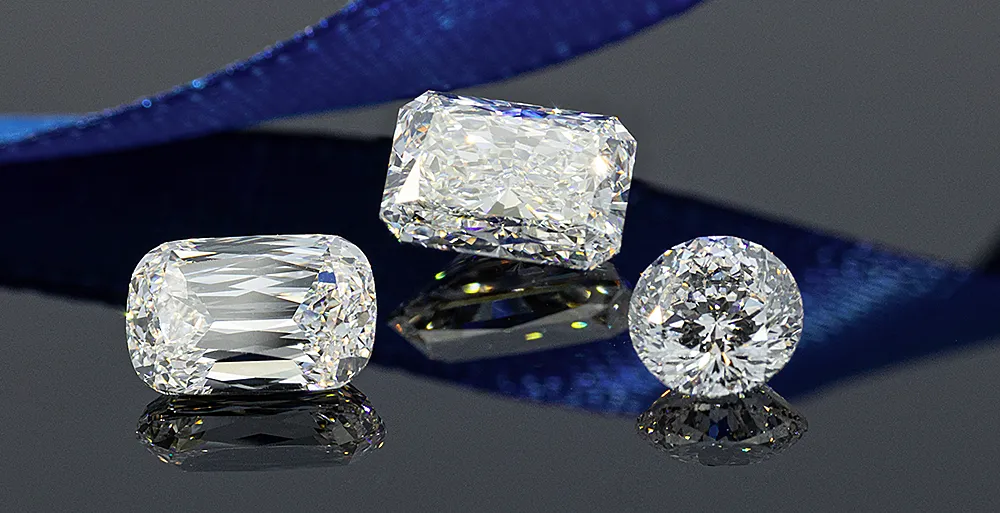
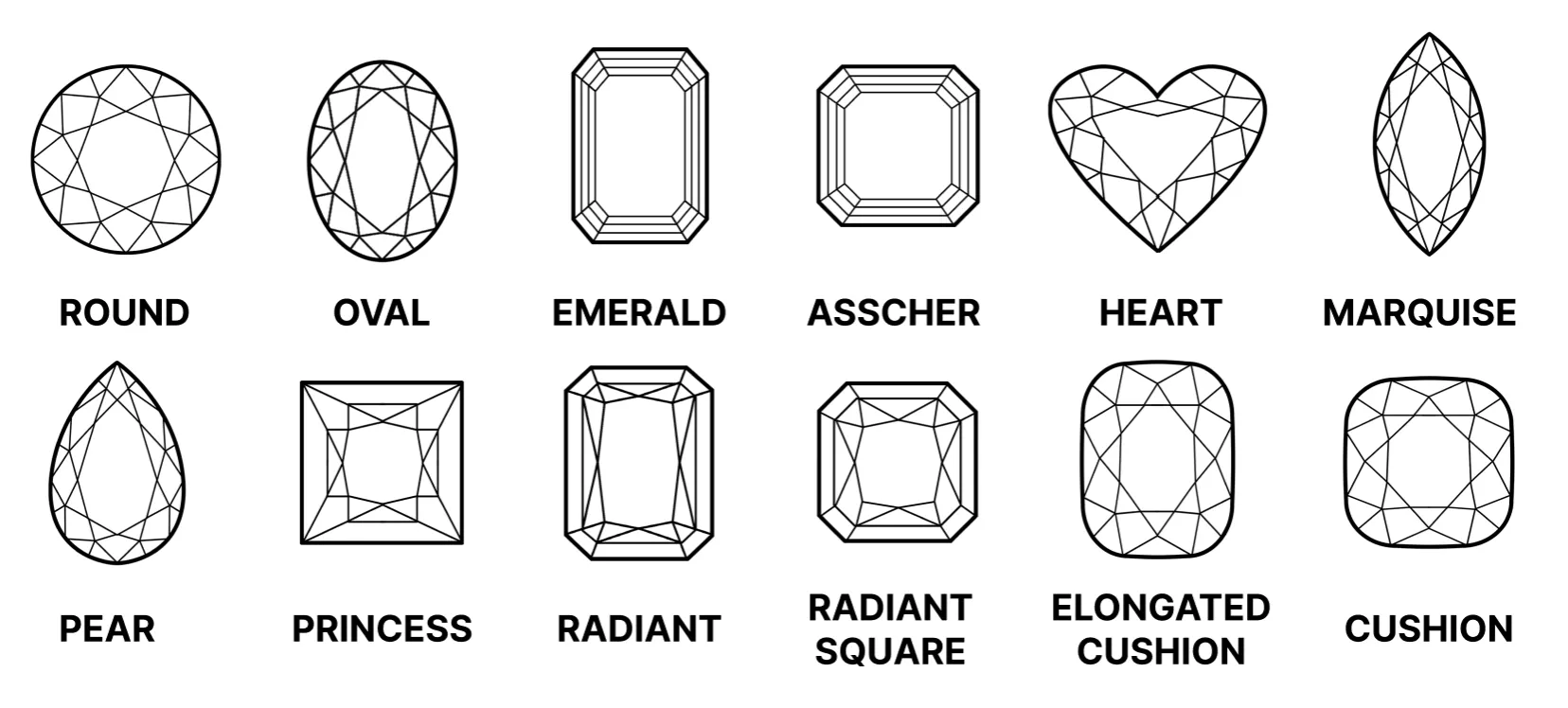
Diamond shape refers to the geometric outline of a gemstone when viewed from above. It defines the jewelry’s aesthetic style and influences how light interacts with the stone. Popular shapes include round, princess (square), and oval, each offering unique brilliance. The shape is carefully cut to balance sparkle and design intent, ensuring the final piece aligns with both artistic vision and technical precision.
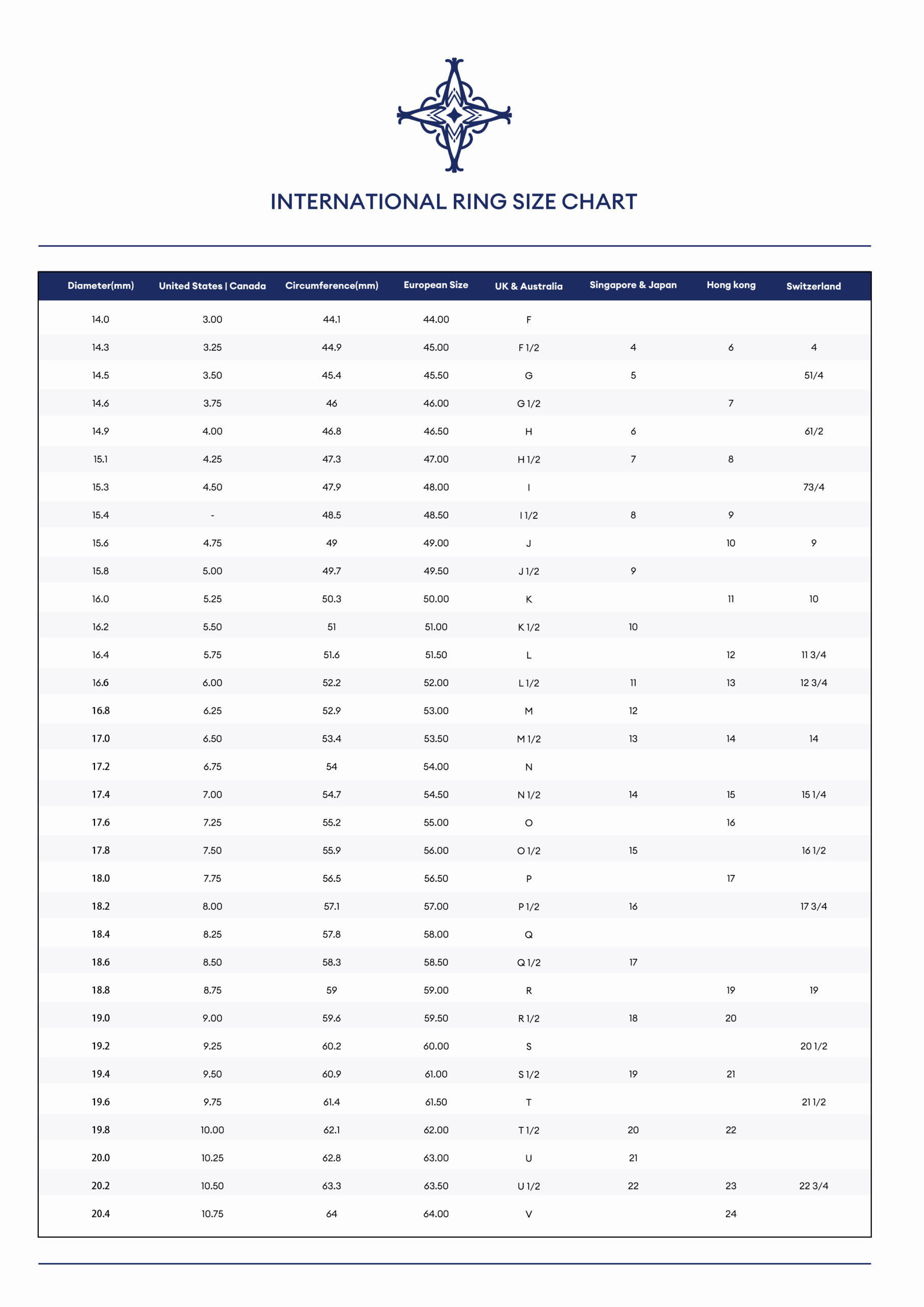
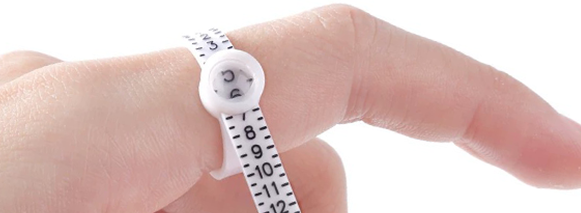
Ring size refers to the circumference of the finger for which the ring is designed. It is measured using standardized international scales (e.g., US, EU sizes) and ensures a comfortable fit. Common sizes range from US 4 to 9 for women and US 8 to 12 for men.
Refer to the SIZE CHART to find your size.









 Sign in with Google